Education
Know before you buy
No sales language, no scarcity theatre. Six short guides covering everything that actually changes what you pay and what she wears.
Lab-Grown vs Natural
Identical carbon, identical sparkle, a fraction of the price. Here is the honest comparison.
A lab-grown diamond is grown from a diamond seed under the same extreme heat and pressure that forms a diamond underground — the process takes weeks rather than eons. The result is not a simulant. It is diamond.
Independent labs such as IGI and GIA grade lab-grown stones on the same 4Cs scale. A gemmologist needs specialised equipment to tell the difference; the naked eye never will.
The practical difference is budget. At the same quality, a lab-grown stone typically costs 70–80% less, which is why a 4 carat centre stone is a realistic purchase rather than a fantasy.
The 4Cs
Cut first, then colour and clarity. Carat is a choice, not a grade.
Cut is the only C that is entirely human. It determines how light returns to the eye, and it is where we refuse to compromise — Ideal and Excellent only.
Colour runs D (colourless) to Z. We source D–G, where a stone faces up white in any metal.
Clarity describes inclusions. We hold to VS2 and above, which is eye-clean at arm's length and at close range.
Carat is weight, not size. Spread — how large the stone looks face-up — depends on shape and cut proportions, which is why an oval often out-reads a round of the same weight.
Carat Comparison
What 2, 3, 4, 5 and 6 carats actually look like on a hand.
Carat weight scales in three dimensions, so a doubling of weight is not a doubling of face-up size. A 4 carat round measures roughly 10.2mm across; a 2 carat measures about 8.1mm.
Finger width changes the read. On a size 4 finger a 3 carat stone can look like a 4; on a size 8 finger the reverse is true.
Elongated shapes — oval, pear, radiant, emerald — cover more finger per carat than round or cushion.
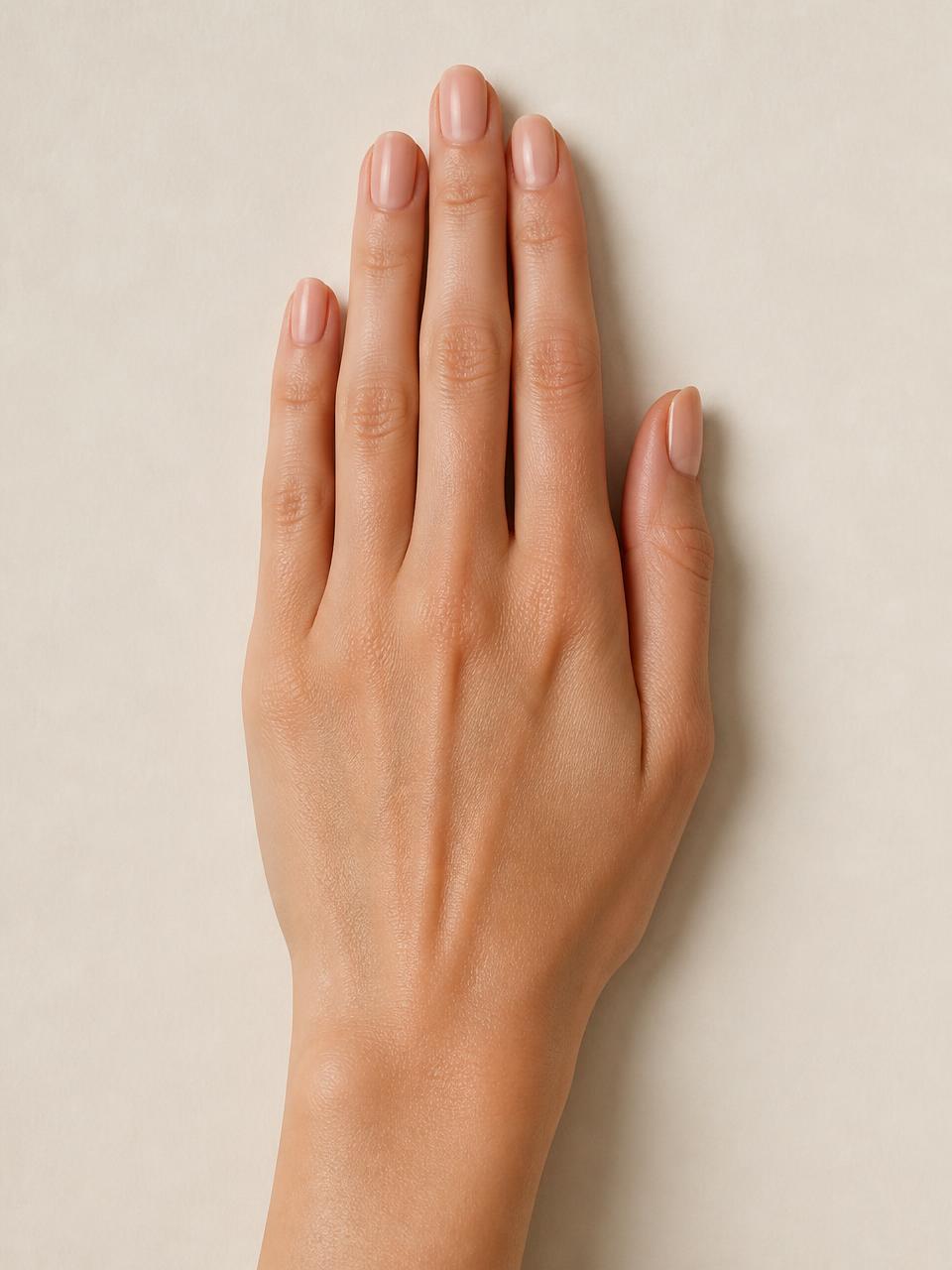
Shown on a size 6 finger · 10.3mm face-up spread
Carat size comparison
See it on a hand first
Carat is weight, not size. Slide through two to eight carats and switch shapes to see how spread — the part people actually notice — changes.
Shapes
Six silhouettes, and what each one does for the hand.
Round brilliant returns the most light and is the safest choice for maximum sparkle.
Oval and pear elongate the finger and read larger per carat.
Radiant and cushion blend brilliant faceting with a squared outline — fire with presence.
Emerald is a step cut: fewer flashes, longer mirrors, and the most architectural look of the six. It also shows clarity most plainly, so grade matters more.
Metal Guide
14K, 18K and platinum — durability, warmth and upkeep.
14K gold is 58.5% gold, the most durable everyday choice and the most affordable.
18K gold is 75% gold — richer colour, slightly softer, and our recommendation for yellow settings.
Platinum is denser and naturally white, so it never needs rhodium plating. It develops a soft patina that can be polished back.
White gold is plated with rhodium for brightness and benefits from replating every few years — included free under our lifetime care.
Sizing Guide
How to size a ring without giving away the surprise.
Borrow a ring she already wears on the correct finger and let us measure it — the most accurate discreet method.
Wrap a strip of paper around the base of the finger, mark the overlap and measure in millimetres. 51.9mm is a US size 6.
Fingers swell in heat and late in the day. Size to a comfortable middle, not to the tightest reading.
If you are unsure, order your best guess. Your first resize is on us.